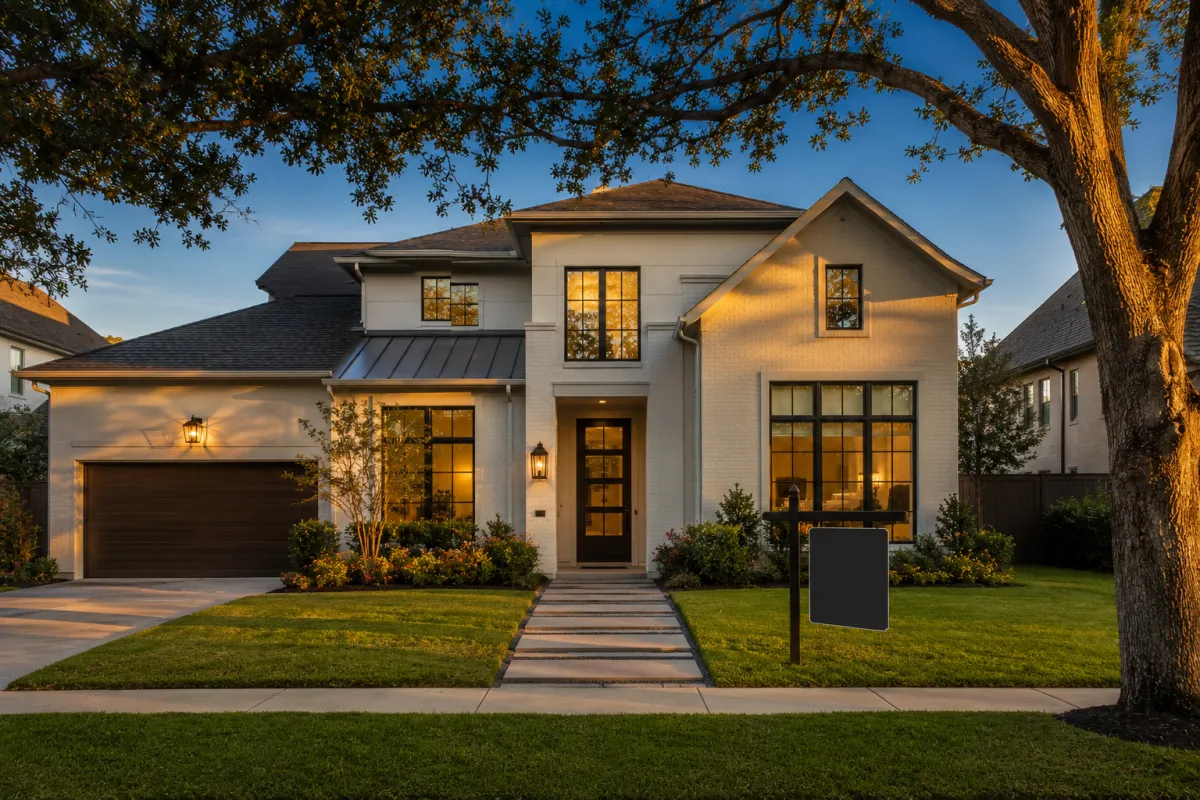
Selling Your Home in Houston: A Step-by-Step Guide
By Juan Barron, Home in Texas Real Estate Team | homeintx.com
Selling your home in Houston takes preparation, realistic expectations, and the right team in your corner. The market in 2026 is balanced, which means sellers who price well and present their homes thoughtfully are still getting strong results. Sellers who overprice or underprepare tend to sit longer and eventually make price reductions anyway.
This guide walks you through every step of the Houston home selling process, from the moment you decide to sell to the day you hand over the keys. No fluff, just the honest sequence of what happens and what you need to do at each stage.
What to Expect From the Houston Market as a Seller in 2026
Houston’s housing market in 2026 is balanced. That’s both good news and a reality check. Homes are still selling, but on a more normal timeline than the fast-paced years we saw recently.
On average, homes spend about 60 days on the market before going under contract, with 85 to 90 days total from listing to closing. That’s slower than 2021 and 2022, but more typical for a market where pricing and preparation matter.
The median sale price for single-family homes in Houston was $332,000 in April 2026, down 1.6% year over year. Average prices dipped 1.4% to $428,709. These are small shifts, reflecting a market that’s leveling out rather than declining sharply. Most long-term sellers still have strong equity.
Inventory is up 6.5% year over year, giving buyers more options. That means homes need to be priced right and presented well to stay competitive. Sellers who do both tend to see smoother and faster results.
Step 1: Is Now the Right Time to Sell?
Timing a home sale comes down to two things: market conditions and your personal situation. While Houston's market remains favorable for many sellers, only you can determine whether the timing is right for your goals.
Ask yourself:
~ Do you have enough equity to cover your mortgage payoff and selling costs while still walking away with what you need?
~ Are you prepared for a timeline of roughly two to three months?
~ Do you have a plan for where you're going after the sale?
These questions matter just as much as what's happening in the market.
If you're unsure about your equity position, a licensed agent can provide a free Comparative Market Analysis (CMA) that estimates your home's value based on recent comparable sales. Subtract your mortgage balance and estimated selling costs, and you'll have a clearer picture of your potential net proceeds. That's the starting point for every decision that follows.
Step 2: Choose the Right Listing Agent
Your listing agent is one of the most important decisions you'll make during the selling process. They'll help determine your pricing strategy, market your home, negotiate offers, and guide the transaction through closing.
When interviewing agents, look for more than confidence. Look for proof.
~ Recent sales in your specific neighborhood
~ A clear, data-backed pricing strategy
~ A real marketing plan (not just MLS listing), including professional photos and online exposure
~ Strong communication and a clear negotiation process
~ Honest feedback on what your home needs before listing
Interview at least two or three agents before making a decision. The agent suggesting the highest list price isn't always the best choice. In many cases, inflated valuations lead to longer days on market and eventual price reductions. Ask for data, not promises.
Step 3: Price It Right From the Start
Pricing is the single most important decision you'll make as a seller.
Homes that hit the market at the right price attract the most attention during their first two weeks, when buyer interest is typically highest. Overpriced homes tend to sit longer, accumulate days on market, and often sell for less than they would have if priced correctly from the start.
Your agent will prepare a Comparative Market Analysis comparing your home to recently sold properties with similar size, condition, age, and location. That data should drive the pricing conversation. Emotional attachment is natural, but it can't determine market value.
In Houston's current market, accurately priced homes are going under contract in approximately 30 to 40 days. Overpriced homes are often sitting 60 to 90 days before requiring price reductions.
Step 4: Prepare Your Home for the Market
First impressions happen fast, and most buyers form them online before they ever step through the front door. Your home should look its best in photos, in person, and from the street.
Declutter and Depersonalize
The goal is to create space buyers can imagine themselves in. Personal photos, excess furniture, and clutter should be minimized to keep rooms feeling open, clean, and neutral.
Make the Repairs That Matter
Not every repair is worth tackling before listing, but issues that could surface during an inspection or give buyers leverage to renegotiate are worth addressing. Leaky faucets, broken fixtures, dirty HVAC filters, scuffed paint, and damaged flooring are often worth the investment.
In Houston, any known foundation issues should be disclosed and, when practical, addressed before listing.
Stage It Thoughtfully
Professional staging, or even light staging with your agent's guidance, can significantly improve a home's presentation. At a minimum, every room should be clean, well-lit, and free of clutter before photos are taken.
Photography matters more than many sellers realize. In a market where buyers often decide whether to schedule a showing online, poor photos can cost you opportunities before buyers ever step inside.
Don't Overlook Curb Appeal
Houston buyers begin forming opinions from the street. Fresh mulch, trimmed landscaping, a clean driveway, and a freshly painted front door can make a strong first impression without a major investment.
If the lawn is patchy or exterior paint is showing wear, consider addressing those items before listing. The outside of your home is the first thing every buyer sees.
Step 5: Complete Your Texas Seller's Disclosure
Texas law requires most sellers to provide a written Seller's Disclosure Notice before a contract is signed. This document outlines known conditions of the property, including any history of flooding or water intrusion, the age and condition of major systems, known defects, and whether the property is located in a floodplain.
Complete the disclosure honestly and thoroughly. Failing to disclose known issues can create legal liability that doesn't necessarily end at closing. Your agent will guide you through the form, but the information must come from you.
In Houston, flood history is especially important. Buyers, lenders, and title companies pay close attention to a property's flooding and water intrusion history, making accuracy and transparency essential.
Step 6: Launch Your Listing
Once your home is priced, prepared, and properly disclosed, your agent will list it on the MLS. From there, professional photos go live, listings are syndicated across Zillow, Realtor.com, HAR.com, and brokerage platforms, and showings begin.
In 2026, most buyers do significant online research before scheduling a showing. That means your photos, pricing, listing description, and overall marketing strategy are working long before a buyer walks through the door.
Be as flexible as possible with showings. Every buyer who visits is a potential offer, and limited access can reduce competition.
Should You Hold an Open House?
Open houses are a marketing tool, not a guarantee of a sale. They generate traffic, increase visibility, and can sometimes attract buyers who were not yet ready to schedule a private showing. Your agent can help determine whether an open house makes sense for your home and neighborhood.
Step 7: Evaluate Offers and Negotiate Terms
When offers come in, your agent will walk you through the terms. While price is important, it's only one part of the equation.
Consider:
~ Purchase price
~ Financing: Cash offers typically close faster and eliminate appraisal risk, while financed offers involve additional steps.
~ Option period length and fee: Shorter option periods are generally more favorable for sellers.
~ Earnest money amount: Higher earnest money often signals a more committed buyer.
~ Closing date: Does it align with your timeline?
~ Contingencies: Fewer contingencies usually mean a smoother path to closing.
~ Seller concessions: Buyers may request contributions toward closing costs or repairs.
In a balanced market like Houston in 2026, negotiation is expected. The goal is to reach terms that work for you without losing a qualified buyer over issues that can be reasonably resolved.
Step 8: Navigate the Inspection and Option Period
Once under contract, the buyer will typically schedule a home inspection during the option period. The report may uncover both significant issues and minor maintenance items.
Buyers in 2026 are using inspection results to negotiate repairs or price reductions more actively than they did during the highly competitive years. Your agent can help you determine which requests are reasonable and where there may be room for negotiation.
You're not obligated to fix everything on an inspection report, but being reasonable about legitimate concerns often helps keep the transaction moving forward.
If the buyer terminates during the option period, they generally receive their earnest money back. If they back out afterward without a contractual reason, you typically keep the earnest money. Your agent will explain your rights and options throughout the process.
Step 9: Appraisal, Title, and Closing Day
If the buyer is financing the purchase, the lender will order an appraisal to confirm the home's value supports the loan amount. In a balanced market, appraisals generally come in at or near the contract price. If a home was priced too aggressively, however, an appraisal gap can lead to renegotiation—another reason pricing correctly from the start matters.
In Texas, the title company handles the closing process. They'll verify clear title, prepare the closing documents, and coordinate with the lender.
At closing, you'll sign the required paperwork, the buyer's loan will fund, and the title company will disburse the proceeds. In most cases, sellers receive their net proceeds by wire transfer on or shortly after closing.
For a traditional sale with a financed buyer, the typical Houston timeline from listing to closing is approximately 85 to 90 days. Cash sales can close much faster, sometimes in as little as two to three weeks.
What Does It Cost to Sell a Home in Houston?
Selling a home comes with expenses that are typically paid from your proceeds at closing. Before listing, it's important to understand what those costs may include:
~ Real estate commissions: The average total commission in Texas is approximately 5.88% of the sale price, typically split between the listing and buyer's agents.
~ Title insurance and closing fees: Usually $1,500 to $3,000, depending on the sale price.
~ Pre-listing repairs and staging: Costs vary, but many sellers spend between $1,000 and $5,000 preparing their home for the market.
~ Prorated property taxes: You'll be responsible for taxes covering the portion of the year you owned the home.
~ HOA transfer fees: If applicable.
On a $400,000 sale with a 5.88% commission, you're looking at roughly $23,500 in commissions alone, plus closing costs. Understanding your potential net proceeds before listing can help you plan your next move with confidence.
Thinking About Selling Your Houston Home?
Juan Barron and the Home in Texas team offer a complimentary, no-pressure home valuation based on current Houston market data. Find out what your home is worth and what it may take to sell successfully in today's market.
Juan Barron, Home in Texas Real Estate Team | RE/IMAGE Properties & Investments, LLC | homeintx.com
