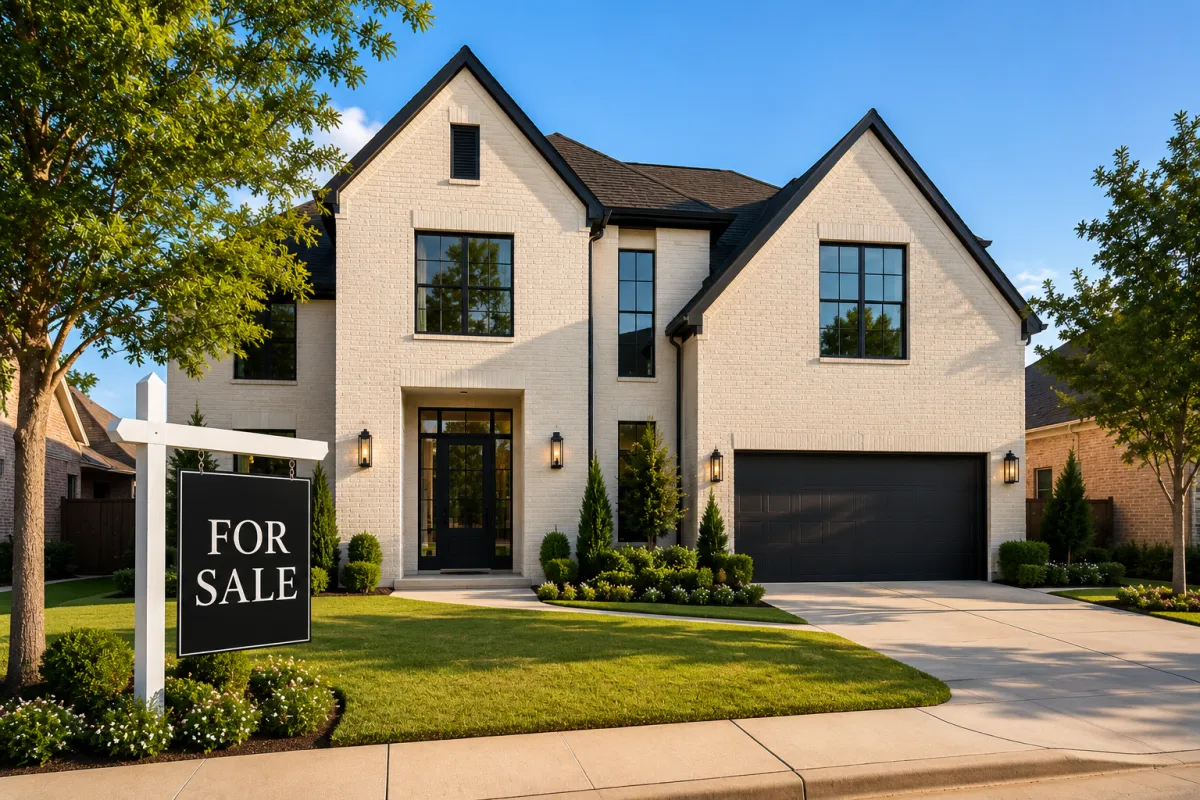
10 Things to Know Before Buying a Home in Houston
By Juan Barron, Home in Texas Real Estate Team | homeintx.com
Buying a home in Houston comes with its own unique process. Texas has different laws, contract structures, and market dynamics than many other states, and those differences can catch buyers off guard if they’re not prepared.
Whether you’re relocating from out of state or buying your first home right here in Houston, understanding how the process works locally can help you make more confident decisions and avoid unnecessary surprises along the way.
1. Flood Zones Are Necessary To Research Before You Buy
Houston receives nearly 50 inches of rain each year and has experienced several major flood events, including Hurricane Harvey in 2017. Because of that, it’s important to understand a home’s flood zone before making an offer.
FEMA flood maps categorize properties into different risk zones. Homes in high-risk zones such as A, AE, V, and VE typically require flood insurance when financed with a federally backed mortgage. However, flood risk is not limited to those areas. In fact, many flood insurance claims come from properties located outside of high-risk zones, including Zone X.
Another important factor is FEMA’s Risk Rating 2.0 system, which uses more than 30 property-specific details to calculate flood insurance premiums. This means two homes on the same street can have very different insurance costs.
Before moving forward with a purchase, it’s a good idea to check the flood zone designation and request the current flood insurance premium for any home you’re seriously considering. Doing this early can help avoid unexpected costs later.
It’s also important to remember that flood insurance is separate from a standard homeowners insurance policy, so it should be factored into your overall budget from the beginning.
2. Understanding Texas Property Taxes
One of the reasons many people enjoy living in Texas is that there is no state income tax. The tradeoff, however, is that property taxes tend to be higher than the national average.
In Houston and throughout Harris County, effective property tax rates commonly range between 2% and 2.5% of a home’s assessed value each year. On a $335,000 home, that could mean approximately $6,700 to $8,375 annually in property taxes, or about $558 to $698 added to your monthly housing payment.
Because lenders typically collect property taxes and insurance through escrow, it’s important to calculate your full monthly payment, not just principal and interest, when determining what feels comfortable for your budget.
The good news is that once you purchase and occupy a home as your primary residence in Texas, you may qualify for a homestead exemption. This can reduce your taxable assessed value, including at least a $100,000 exemption for school district taxes, which can create meaningful long-term savings. It’s something you’ll want to apply for soon after closing.
3. You'll Sign a Buyer Representation Agreement Before Touring Homes
As of 2026, Texas requires buyers to sign a Buyer Representation Agreement (BRA) before touring homes with a licensed real estate agent. Since this is a newer requirement, many buyers are surprised when it comes up early in the process.
The agreement (BRA) outlines how your agent will represent you, how long the agreement lasts, and how compensation is handled. Don't be alarmed. It’s simply a way to clearly define the working relationship between you and your agent from the beginning.
Take the time to read through it carefully and ask questions about anything that isn’t clear. A good agent should be happy to explain each section and make sure you feel comfortable before signing.
This agreement should feel informative and transparent, not pressured or rushed.
4. The Option Period Is One of Your Most Important Protections
Texas real estate contracts include something that many other states do not: an option period. Once you go under contract on a home, you typically pay a small option fee, often between $100 and $500 depending on the transaction, for the unrestricted right to terminate the contract during a specific timeframe, usually five to ten days.
This period gives buyers an opportunity to complete inspections and fully evaluate the property. If significant concerns arise, you may be able to renegotiate with the seller, request repairs or credits, or choose to walk away from the contract while still receiving your earnest money back.
Once the option period expires, your ability to terminate the contract becomes much more limited, and backing out without a contractual reason could result in losing your earnest money.
For most buyers, the option period is well worth the cost because it provides valuable time, flexibility, and peace of mind during the home buying process.
5. Houston Is a City of Distinct Neighborhoods and Submarkets
Houston is a very large and diverse city, covering more than 670 square miles. Because of that, there’s no single “Houston market.” Each area offers its own mix of price points, school districts, commute times, neighborhood character, and flood considerations.
Communities such as Katy, Pearland, Sugar Land, and Cypress are popular with buyers looking for more space and strong suburban amenities. Areas like The Heights, Montrose, and Midtown tend to appeal to those who enjoy a more walkable lifestyle and urban feel. Spring Branch and Memorial offer a balance between the two, while The Woodlands is known for its master-planned design, highly rated schools, and long-term desirability.
Where you buy can be just as important as the home itself. Before making an offer, spend time exploring the neighborhoods you’re considering. Visit at different times of day, pay attention to traffic and atmosphere, and if possible, talk with people who live nearby.
The neighborhood that feels right for your lifestyle may not always be the one that stands out most online, and taking the time to experience an area firsthand can make a big difference in your decision.
6. Get Pre-Approved Before You Start Touring Homes
One of the smartest first steps in the home buying process is getting pre-approved before seriously looking at homes. It helps you understand what you can comfortably borrow, what your monthly payment may look like at different price points, and whether you may qualify for any Texas homebuyer assistance programs that could impact your options.
Getting pre-approved early also helps you focus your search on homes that truly fit your budget and goals, which can save time and reduce stress throughout the process.
In Houston’s current market, buyers generally have more breathing room than they did a few years ago, with many homes spending more time on the market. However, well-priced homes in desirable neighborhoods can still move quickly. Having a pre-approval in place means you’ll be ready to act confidently when the right home comes along.
7. Understanding Closing Costs in Texas
In addition to your down payment, it’s important to budget for closing costs when buying a home in Texas. These costs typically range from 2% to 5% of the loan amount, depending on the loan type, lender, and details of the transaction.
For example, on a $335,000 home purchase with a 5% down payment, the loan amount would be approximately $318,000. Estimated closing costs could range from roughly $6,360 to $15,900 in addition to your down payment.
Closing costs can include lender fees, title insurance, appraisal fees, prepaid homeowners insurance, prepaid property taxes, and other transaction-related expenses. In Texas, the closing process is generally handled by a title company rather than a real estate attorney, which may be different from what buyers are familiar with in other states.
A few days before closing, you’ll receive a Closing Disclosure that outlines all final costs associated with the purchase. It’s a good idea to review it carefully and compare it with the original Loan Estimate you received when applying for your mortgage so there are no surprises at closing.
8. New Construction Is Worth Considering
Houston continues to be one of the most active new construction markets in the country, and many builders are currently offering attractive incentives to buyers. Depending on the community and builder, these may include mortgage rate buydowns, upgraded finishes, or contributions toward closing costs.
New construction can offer several advantages, including builder warranties, modern layouts and systems, improved energy efficiency, and, in many cases, a less competitive buying process compared to resale homes.
At the same time, there are a few factors to keep in mind. Building from the ground up can mean a longer timeline before move-in, many master-planned communities include HOA fees, and builders may have less flexibility on price than a traditional resale seller.
If you’re open to exploring new construction, let your agent know early in the process. They can help guide you through builder contracts, explain the differences from a traditional resale transaction, and help you identify the strongest incentives and overall value.
9. The Home Inspection Is an Important Part of the Process
A home inspection in Houston should be thorough and given careful attention. The area’s expansive clay soils can contribute to foundation movement, which is fairly common and important to understand before moving forward with a purchase. If an inspector identifies concerns related to the slab or pier-and-beam structure, it may be wise to bring in a foundation specialist for a closer evaluation.
It’s also important to review the age and condition of major systems such as the roof, HVAC, and plumbing. Houston’s heat and humidity can place significant strain on mechanical systems over time, and replacing an aging HVAC unit in the middle of a Texas summer can become a major expense. Whenever possible, ask for records showing when key systems were last serviced or replaced.
For homes built before the 1990s, some insurance companies may also require a 4-point inspection before issuing coverage. This inspection typically focuses on the roof, electrical, plumbing, and HVAC systems. Being aware of this early can help prevent unexpected delays during the closing process.
10. Your Agent's Local Market Knowledge Matters in Houston
Houston is a large and highly diverse real estate market, and each area can operate a little differently. Neighborhood pricing, flood considerations, builder activity, school districts, commute patterns, and market pace can vary significantly depending on where you’re looking.
Because of that, working with an agent who is familiar with Houston and its surrounding communities can make a meaningful difference throughout the buying process. Local experience can help buyers better understand neighborhood dynamics, market conditions, contract timelines, and what to expect in different areas of the city.
When interviewing agents, it’s completely reasonable to ask about their experience in the specific neighborhoods you’re considering, how they approach negotiations in the current market, and how they guide buyers through things like the option period and Buyer Representation Agreement (BRA). Their ability to clearly explain the process can tell you a lot about their experience and communication style.
The Home in Texas team lives and works in this market and would be happy to help guide you through the process if you’re considering Houston or the surrounding suburbs.
Ready to Buy a Home in Houston?
Juan Barron and the Home in Texas team are here to help guide you through the process with local knowledge and personalized support. Whether you’re just beginning to explore the idea of buying or you’re ready to start touring homes, having the right plan and guidance can make the experience much smoother.
If you’re considering Houston or the surrounding suburbs, reach out to start a conversation about your goals, timeline, and what you’re looking for in a home. We look forward to working with you.
Juan Barron, Home in Texas Real Estate Team | RE/IMAGE Properties & Investments, LLC | homeintx.com
